


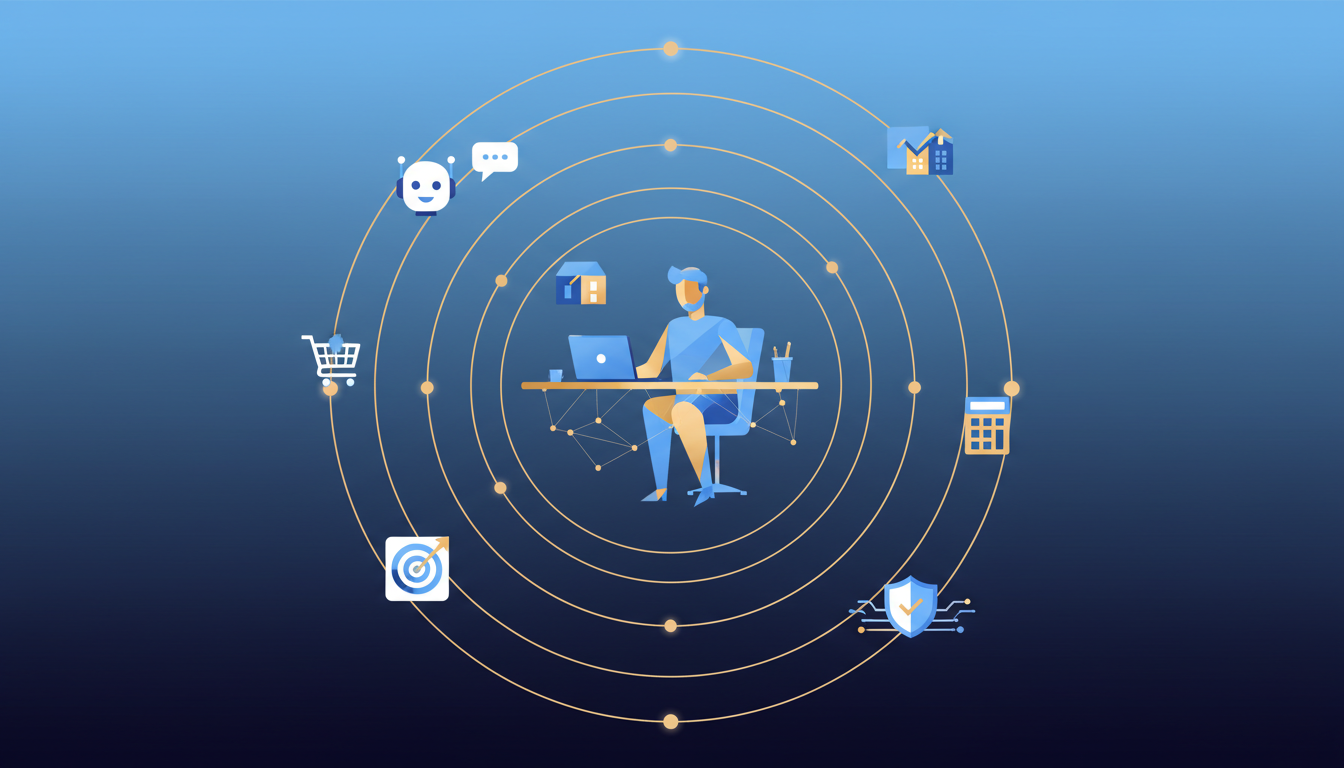
Why 2026 Is a Pivotal Year for Small and Mid-Sized Businesses
The pace of digital change is no longer gradual — it is exponential. SMBs that moved quickly on cloud infrastructure in 2020 gained years of competitive advantage. In 2026, the window for decisive action is just as narrow, and the stakes are even higher. Below, we break down the ten most consequential technology shifts reshaping how businesses attract customers, automate operations, and scale revenue — with practical guidance on each.
digital business trends SMB 2026 konusunda destek mi arıyorsun?
Bu yazıda anlattığımız çözümleri biz yapıyoruz — ekibimiz 24 saat içinde özel öneriyle dönüş yapsın.
24 saat içinde dönüş
Hiçbir taahhüt yok
Tamamen ücretsiz
id="1-whatsapp-business-ai-calculating-real-roi">1. WhatsApp Business AI: Calculating Real ROIWith more than 2 billion active users, WhatsApp is no longer just a consumer messaging app. Businesses deploying WhatsApp Business AI for automated customer service and sales qualification are reporting 30–60% reductions in first-response time alongside measurable uplift in conversion rates. The key ROI calculation involves three inputs: cost per human chat agent per hour, average chats handled per hour by an AI bot, and incremental revenue from faster lead response. Brands that have done this math are reallocating agent hours toward high-value negotiations while AI handles top-of-funnel inquiries around the clock.
2. Dental Practice Software Comparison: What Clinics Must Evaluate in 2026
The dental vertical is experiencing a software consolidation wave. Independent clinics comparing platforms should benchmark across five dimensions: electronic health record integration, automated appointment reminders, insurance claim processing speed, patient financing workflows, and HIPAA-compliant data storage. Practices that switched to modern all-in-one platforms in 2025 report a 22% average reduction in no-show rates and faster billing cycles. If your clinic is still running on legacy software, 2026 is the year the switching cost finally becomes worth it.
3. B2B Lead Generation Pricing: Understanding What You Actually Pay
Pricing models for B2B lead generation services shifted significantly entering 2026. Cost-per-lead models (typically $40–$200 per qualified lead depending on industry) are competing with subscription-based intent-data platforms and performance-based retainers. The hidden cost most buyers miss is lead decay: a B2B lead contacted within five minutes converts at nine times the rate of one contacted after an hour. Factor response automation costs into every pricing comparison, or the cheapest CPL model can become the most expensive outcome.
4. AI Voice Receptionist for SMBs: Beyond the Answering Machine
An AI voice receptionist in 2026 is not a glorified voicemail. Modern systems handle appointment booking, FAQ resolution, call routing, and even upsell scripting — all without hold music. For SMBs in healthcare, legal, home services, and hospitality, deploying an AI voice layer over existing phone systems costs a fraction of a full-time front-desk hire while operating 24/7. Monthly subscription costs range from $99 to $599 depending on call volume and integration depth, making this one of the clearest ROI plays available to businesses under 50 employees.
5. Shopify Plus Migration Playbook: A Step-by-Step Overview
Migrating to Shopify Plus from platforms like Magento, WooCommerce, or BigCommerce involves more than a data transfer. A reliable playbook covers: SKU and metafield mapping, redirect architecture to protect SEO equity, payment gateway re-integration, custom checkout scripting, and staff training timelines. Brands that skip the redirect audit routinely lose 15–30% of organic traffic post-launch — a recoverable but painful setback. The full migration timeline for a mid-sized catalog (5,000–20,000 SKUs) realistically runs eight to fourteen weeks when done correctly.
6. Multi-State US Sales Tax Automation: TaxJar vs. Avalara
Economic nexus rules now affect any ecommerce brand crossing revenue or transaction thresholds in states where they have no physical presence. TaxJar and Avalara remain the two dominant automated compliance platforms, but they serve different business profiles. TaxJar is generally preferred by Shopify-native DTC brands for its cleaner UI and lower entry price. Avalara is favored by ERP-heavy B2B sellers needing deep SAP or NetSuite integration. Both platforms file returns automatically, but neither eliminates the need for a periodic nexus review with a sales tax specialist — especially after acquisitions or new warehouse openings.
7. White-Label AI Chatbot Reseller Economics
The white-label AI chatbot market reached critical mass in 2026. Agencies and consultants are reselling branded chatbot solutions to clients at $300–$1,500 per month while paying wholesale rates of $50–$300 per deployment. The margin math works cleanly when the reseller bundles onboarding, customization, and monthly reporting into a managed service retainer. The most successful resellers focus on verticals — real estate, dental, legal, or ecommerce — rather than selling horizontally, because vertical specialization reduces sales cycles and increases retention.
8. Headless Commerce With Next.js and Shopify: Real Benefits
Headless commerce decouples the storefront presentation layer from the ecommerce backend, giving development teams full control over UX without sacrificing Shopify's commerce infrastructure. Pairing Next.js with Shopify's Storefront API delivers sub-second page loads, flexible content modeling, and the ability to serve multiple storefronts from a single backend. The trade-off is cost: headless builds require ongoing frontend engineering investment. For brands doing above $5M annually in ecommerce revenue, the performance and conversion gains typically justify it. For smaller stores, a well-optimized Shopify 2.0 theme remains the pragmatic choice.
9. GDPR and CCPA Dual Compliance: What Businesses Must Do Now
Operating in both EU and California markets means navigating GDPR and CCPA simultaneously — and the gap between the two frameworks is narrowing but not gone. GDPR requires a lawful basis for every processing activity and mandates data protection impact assessments for high-risk uses. CCPA (now strengthened by CPRA) centers on opt-out rights, data sale disclosures, and sensitive data handling. The practical starting point for dual compliance is a unified data inventory, a single consent management platform that handles both regimes, and a privacy policy that satisfies both sets of disclosure requirements without becoming unreadable.
10. Micro-SaaS Opportunities in 2026: Where the White Space Is
Micro-SaaS — focused software products built for narrow audiences, often by solo founders or small teams — is thriving in 2026 because AI development tools have collapsed the build cost while niche audiences remain underserved by large platforms. High-signal opportunity areas include compliance tooling for specific industries, AI-enhanced workflow plugins for dominant platforms like Notion or HubSpot, and vertical-specific reporting dashboards. The business model works best when annual contract value is $500–$5,000, churn is structurally low due to workflow dependency, and the founder has authentic domain expertise.
Putting It All Together
Each of the ten trends above represents a discrete lever for business growth — but the compounding effect comes from combining them intelligently. An SMB that automates its tax compliance, deploys an AI voice receptionist, and migrates to a headless Shopify storefront is not just solving three problems; it is building a scalable infrastructure that reduces operational drag at every customer touchpoint.
Ready to Act on These Trends?
EZAR.TR brings together the tools, templates, and expertise SMBs need to move from insight to implementation. Whether you are evaluating software, planning a migration, or launching a white-label product, the resources at ezar.tr/shop are built to accelerate your next step. Explore the shop today and give your business the infrastructure it needs to compete in 2026 and beyond.
Bu yazıdaki digital business trends SMB 2026 çözümünü senin için kuralım
Yazıyı okuduysan ne yapılması gerektiğini gördün. Biz uygulamanın ağır kısmını üstlenip projeni 1-3 hafta içinde hayata geçirelim. WhatsApp'tan örnek çalışma + fiyat alırsın.
24 saat içinde dönüş
Hiçbir taahhüt yok
Tamamen ücretsiz
EZAR.TR Digital Agency
Web tasarımı, ERP/CRM, mobil uygulama ve otomasyon çözümleri.
digital business trends SMB 2026 konusunda destek mi arıyorsun?
Bu yazıda anlattığımız çözümleri biz yapıyoruz — ekibimiz 24 saat içinde özel öneriyle dönüş yapsın.
With more than 2 billion active users, WhatsApp is no longer just a consumer messaging app. Businesses deploying WhatsApp Business AI for automated customer service and sales qualification are reporting 30–60% reductions in first-response time alongside measurable uplift in conversion rates. The key ROI calculation involves three inputs: cost per human chat agent per hour, average chats handled per hour by an AI bot, and incremental revenue from faster lead response. Brands that have done this math are reallocating agent hours toward high-value negotiations while AI handles top-of-funnel inquiries around the clock.
2. Dental Practice Software Comparison: What Clinics Must Evaluate in 2026
The dental vertical is experiencing a software consolidation wave. Independent clinics comparing platforms should benchmark across five dimensions: electronic health record integration, automated appointment reminders, insurance claim processing speed, patient financing workflows, and HIPAA-compliant data storage. Practices that switched to modern all-in-one platforms in 2025 report a 22% average reduction in no-show rates and faster billing cycles. If your clinic is still running on legacy software, 2026 is the year the switching cost finally becomes worth it.
3. B2B Lead Generation Pricing: Understanding What You Actually Pay
Pricing models for B2B lead generation services shifted significantly entering 2026. Cost-per-lead models (typically $40–$200 per qualified lead depending on industry) are competing with subscription-based intent-data platforms and performance-based retainers. The hidden cost most buyers miss is lead decay: a B2B lead contacted within five minutes converts at nine times the rate of one contacted after an hour. Factor response automation costs into every pricing comparison, or the cheapest CPL model can become the most expensive outcome.
4. AI Voice Receptionist for SMBs: Beyond the Answering Machine
An AI voice receptionist in 2026 is not a glorified voicemail. Modern systems handle appointment booking, FAQ resolution, call routing, and even upsell scripting — all without hold music. For SMBs in healthcare, legal, home services, and hospitality, deploying an AI voice layer over existing phone systems costs a fraction of a full-time front-desk hire while operating 24/7. Monthly subscription costs range from $99 to $599 depending on call volume and integration depth, making this one of the clearest ROI plays available to businesses under 50 employees.
5. Shopify Plus Migration Playbook: A Step-by-Step Overview
Migrating to Shopify Plus from platforms like Magento, WooCommerce, or BigCommerce involves more than a data transfer. A reliable playbook covers: SKU and metafield mapping, redirect architecture to protect SEO equity, payment gateway re-integration, custom checkout scripting, and staff training timelines. Brands that skip the redirect audit routinely lose 15–30% of organic traffic post-launch — a recoverable but painful setback. The full migration timeline for a mid-sized catalog (5,000–20,000 SKUs) realistically runs eight to fourteen weeks when done correctly.
6. Multi-State US Sales Tax Automation: TaxJar vs. Avalara
Economic nexus rules now affect any ecommerce brand crossing revenue or transaction thresholds in states where they have no physical presence. TaxJar and Avalara remain the two dominant automated compliance platforms, but they serve different business profiles. TaxJar is generally preferred by Shopify-native DTC brands for its cleaner UI and lower entry price. Avalara is favored by ERP-heavy B2B sellers needing deep SAP or NetSuite integration. Both platforms file returns automatically, but neither eliminates the need for a periodic nexus review with a sales tax specialist — especially after acquisitions or new warehouse openings.
7. White-Label AI Chatbot Reseller Economics
The white-label AI chatbot market reached critical mass in 2026. Agencies and consultants are reselling branded chatbot solutions to clients at $300–$1,500 per month while paying wholesale rates of $50–$300 per deployment. The margin math works cleanly when the reseller bundles onboarding, customization, and monthly reporting into a managed service retainer. The most successful resellers focus on verticals — real estate, dental, legal, or ecommerce — rather than selling horizontally, because vertical specialization reduces sales cycles and increases retention.
8. Headless Commerce With Next.js and Shopify: Real Benefits
Headless commerce decouples the storefront presentation layer from the ecommerce backend, giving development teams full control over UX without sacrificing Shopify's commerce infrastructure. Pairing Next.js with Shopify's Storefront API delivers sub-second page loads, flexible content modeling, and the ability to serve multiple storefronts from a single backend. The trade-off is cost: headless builds require ongoing frontend engineering investment. For brands doing above $5M annually in ecommerce revenue, the performance and conversion gains typically justify it. For smaller stores, a well-optimized Shopify 2.0 theme remains the pragmatic choice.
9. GDPR and CCPA Dual Compliance: What Businesses Must Do Now
Operating in both EU and California markets means navigating GDPR and CCPA simultaneously — and the gap between the two frameworks is narrowing but not gone. GDPR requires a lawful basis for every processing activity and mandates data protection impact assessments for high-risk uses. CCPA (now strengthened by CPRA) centers on opt-out rights, data sale disclosures, and sensitive data handling. The practical starting point for dual compliance is a unified data inventory, a single consent management platform that handles both regimes, and a privacy policy that satisfies both sets of disclosure requirements without becoming unreadable.
10. Micro-SaaS Opportunities in 2026: Where the White Space Is
Micro-SaaS — focused software products built for narrow audiences, often by solo founders or small teams — is thriving in 2026 because AI development tools have collapsed the build cost while niche audiences remain underserved by large platforms. High-signal opportunity areas include compliance tooling for specific industries, AI-enhanced workflow plugins for dominant platforms like Notion or HubSpot, and vertical-specific reporting dashboards. The business model works best when annual contract value is $500–$5,000, churn is structurally low due to workflow dependency, and the founder has authentic domain expertise.
Putting It All Together
Each of the ten trends above represents a discrete lever for business growth — but the compounding effect comes from combining them intelligently. An SMB that automates its tax compliance, deploys an AI voice receptionist, and migrates to a headless Shopify storefront is not just solving three problems; it is building a scalable infrastructure that reduces operational drag at every customer touchpoint.
Ready to Act on These Trends?
EZAR.TR brings together the tools, templates, and expertise SMBs need to move from insight to implementation. Whether you are evaluating software, planning a migration, or launching a white-label product, the resources at ezar.tr/shop are built to accelerate your next step. Explore the shop today and give your business the infrastructure it needs to compete in 2026 and beyond.
Bu yazıdaki digital business trends SMB 2026 çözümünü senin için kuralım
Yazıyı okuduysan ne yapılması gerektiğini gördün. Biz uygulamanın ağır kısmını üstlenip projeni 1-3 hafta içinde hayata geçirelim. WhatsApp'tan örnek çalışma + fiyat alırsın.
Web tasarımı, ERP/CRM, mobil uygulama ve otomasyon çözümleri.
İlgili Yazılar
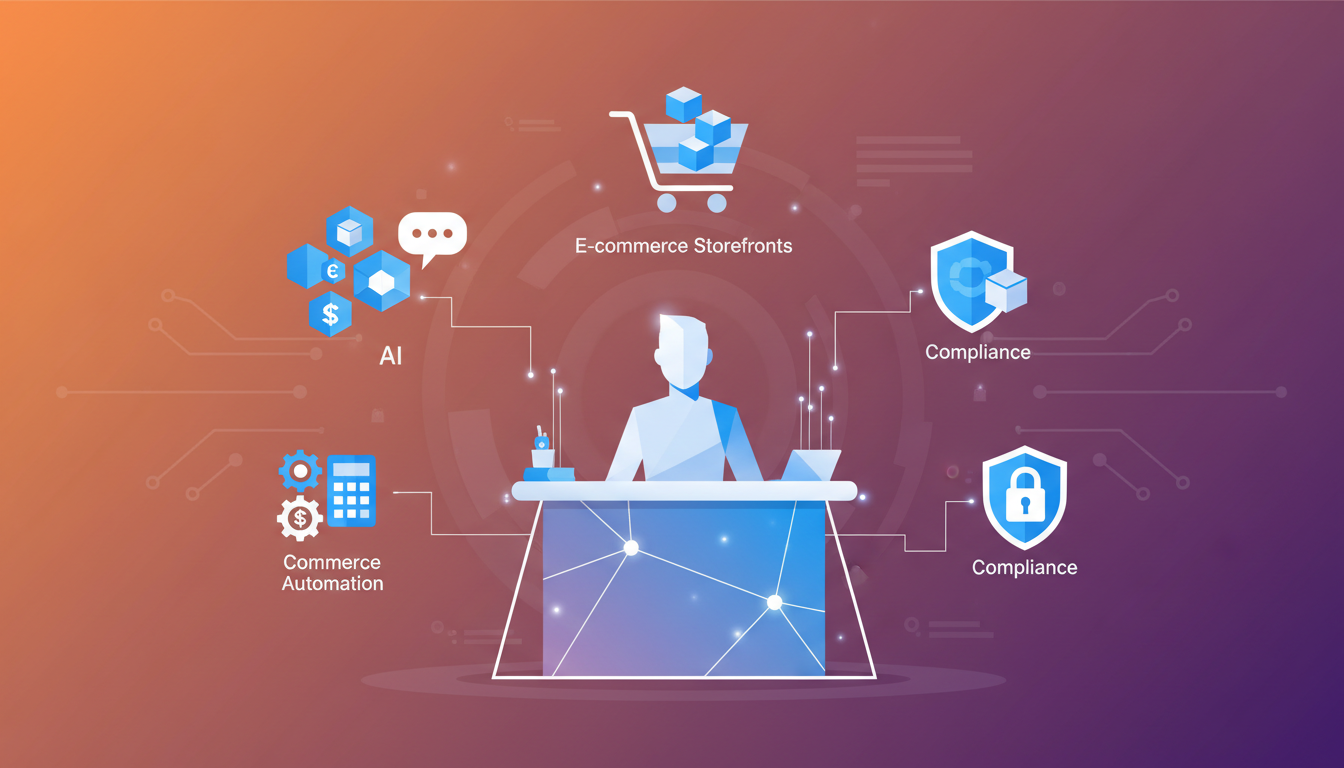
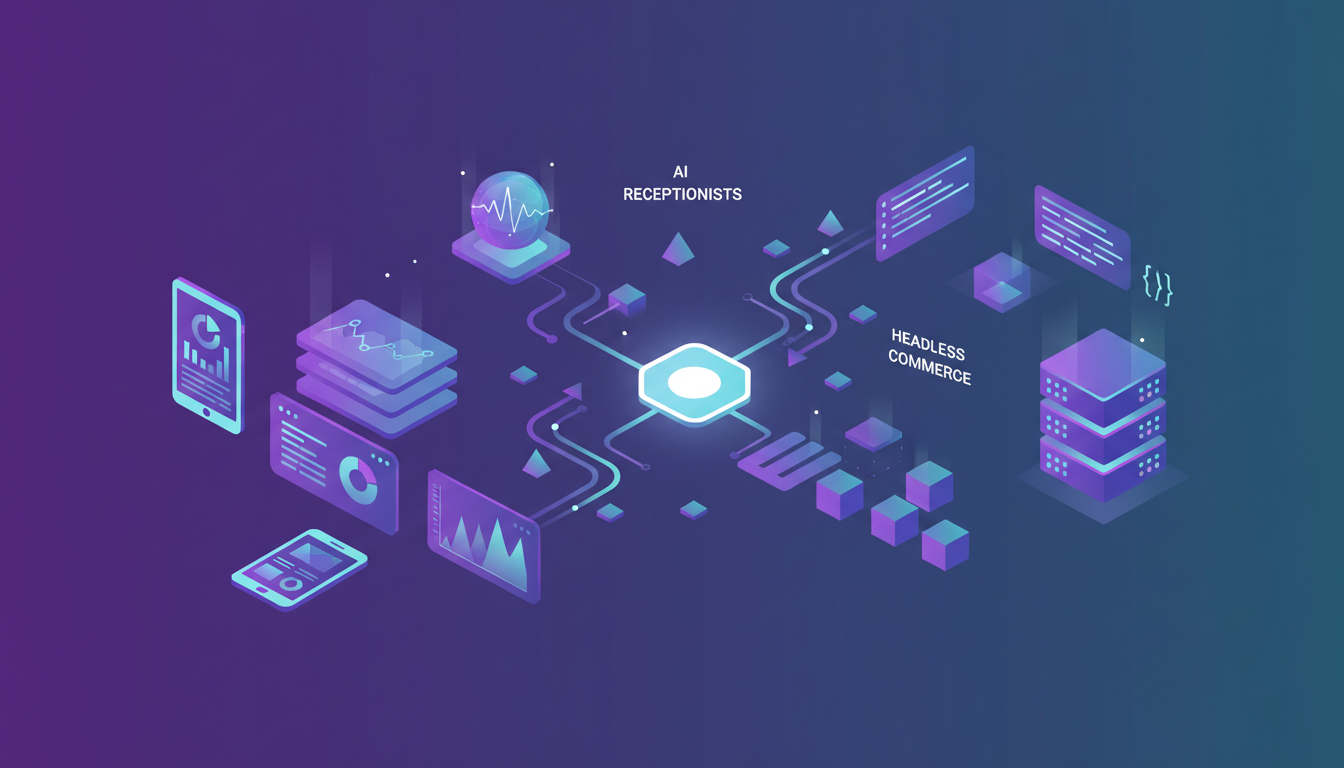
Dijital Dönüşümünüzü
Bugün Başlatın
Premium web deneyimleri, otomasyon çözümleri ve dijital ürünlerle işinizi bir üst seviyeye taşıyalım.
Ücretsiz Görüşme Planla